
The History of Cryptocurrency: Past, Present, and Future
Cryptocurrency has dramatically transformed our financial landscape since its inception. This article explores the history of cryptocurrency, detailing its origins, the evolution of technology behind it, and the future outlook for investors. We also discuss the mining process, how to acquire, store, and sell cryptocurrencies, and hypothesize about the future of digital money.
The Birth of Cryptocurrency
The concept of cryptocurrency began in the late 1970s and early 1980s when cryptographic protocols initiated the framework for secure digital transactions. However, the true birth of cryptocurrency took place in 2008 with the publication of a whitepaper titled "Bitcoin: A Peer-to-Peer Electronic Cash System" by an individual or group using the pseudonym Satoshi Nakamoto. Nakamoto’s vision was to create a decentralized currency that operated without the need for a central authority, thus addressing issues like inflation and the banking system's trust deficit.
In 2009, Bitcoin became the first cryptocurrency to be mined, relying on blockchain technology—an immutable digital ledger that records all transactions in a decentralized network. Over the years, thousands of cryptocurrencies have emerged, including Ethereum, Ripple, and Litecoin, each with unique features and uses.
The Mining Process
What is Mining?
Mining refers to the process of validating transactions and adding them to the blockchain. Miners use powerful computers to solve complex mathematical problems, providing the computational effort needed to secure the network.
How Mining Works
- Transaction Initiation: Users initiate a transaction through their wallets, which is broadcasted over the network.
- Transaction Pool: These transactions are collected in a "mempool," waiting to be confirmed by miners.
- Solving the Problem: Miners select transactions from the pool and compete to solve a cryptographic puzzle, a process that requires massive computational power. The first miner to solve the puzzle gets to validate the block of transactions.
- Block Addition: The verified block is added to the blockchain, confirming the transactions.
- Reward: Miners receive a reward in the form of newly minted cryptocurrency and transaction fees for their efforts.
Mining also serves as the backbone for maintaining the security of the network. However, it has drawn criticism for its environmental impact due to its significant energy consumption.
The Investing Process
Acquiring Cryptocurrency
Investing in cryptocurrency can be straightforward, especially with the rise of numerous platforms and exchanges:
- Choose an Exchange: The first step is to choose a cryptocurrency exchange like Coinbase, Binance, or Kraken. Consider factors like security, reputation, ease of use, and fees.
- Create an Account: Sign up for an account and complete any required identity verification.
- Deposit Funds: Deposit fiat currency (like USD or EUR) into your exchange account via bank transfer, credit card, or other methods.
- Buy Cryptocurrency: Once your account is funded, you can locate the desired cryptocurrency and place a buy order. These orders can be market orders (buying at current prices) or limit orders (specifying a price to buy).
Storage
Once you have acquired cryptocurrency, you’ll need to store it securely:
- Hot Wallets: Online wallets provided by exchanges are convenient for quick access but are vulnerable to hacks.
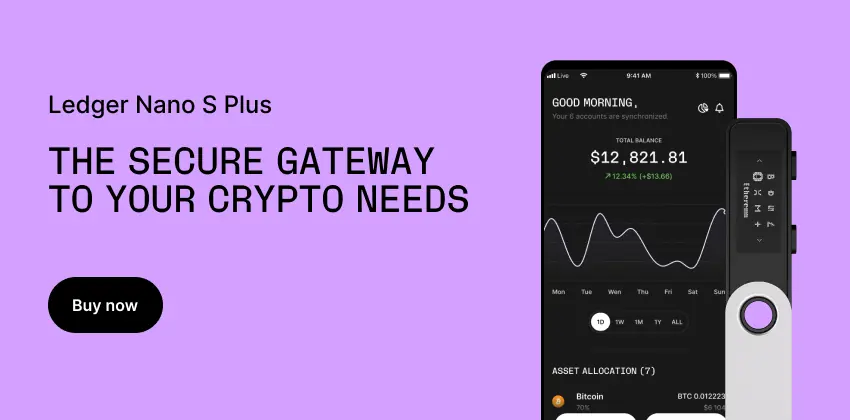
- Cold Wallets: Hardware wallets (like Ledger and Trezor) and paper wallets provide enhanced security by storing your assets offline. They are highly recommended for long-term holding.
Selling Cryptocurrency
When it's time to cash out or reallocate your investments:
- Choose Your Strategy: Decide whether you want to sell for fiat currency or trade for other cryptocurrencies.
- Transfer to Exchange: If your crypto is stored in a cold wallet, transfer it to your chosen exchange.
- Place Sell Order: Similar to buying, you can place different types of sell orders depending on market conditions.
- Withdraw Funds: After the sale, withdraw your funds to your bank account or other payment methods.
Future Outlook for Cryptocurrency Investors
The future of cryptocurrency remains a polarizing topic filled with both optimism and skepticism. Here are some potential scenarios:
- Adoption and Regulation: Increased adoption by mainstream financial institutions and favorable regulatory frameworks could stabilize prices, making cryptocurrencies more appealing to traditional investors.
- Technological Advancements: Innovations like Ethereum's shift to proof-of-stake and the rise of DeFi (Decentralized Finance) can potentially drive value creation and open new investment avenues.
- Central Bank Digital Currencies (CBDCs): The introduction of CBDCs may reshape the regulatory environment and competition for cryptocurrencies. Their success could lead to greater acceptance and integration of digital currencies in everyday transactions.
Hypotheses on Digital Money's Future
- Interoperability: Future digital currencies may evolve towards platforms that facilitate seamless transactions among various cryptocurrencies and traditional fiat currencies, enhancing their usability.
- Increased Security and Privacy: As more people engage with digital money, security measures and privacy-preserving technologies will need to advance to protect user identities and transaction data.
- Financial Inclusion: Cryptocurrencies could play a crucial role in providing financial services to unbanked populations worldwide, facilitating economic growth in developing regions.
From its modest beginnings with Bitcoin to a diverse cryptocurrency landscape, the digital currency market has come a long way. While the mining process and investing avenues have evolved, the future remains uncertain. However, the potential for growth remains vast. As cryptocurrencies find their footing, investors must stay informed and consider both opportunities and risks.